Los Angeles has long been home to some of the world’s most important cultural institutions, but the city’s museum landscape is entering a new era. The opening of George Lucas’ Museum of Narrative Art has created a major new architectural landmark, drawing attention to how museums can combine art, storytelling, entertainment, and ambitious design.
The new museum is also being compared with the Los Angeles County Museum of Art’s new David Geffen Exhibition Hall. While both projects represent major investments in Los Angeles culture, their buildings take very different approaches to creating a memorable museum experience. Recent coverage has highlighted the Lucas Museum’s striking presence and its ambitious scale.
George Lucas Brings a Different Vision to Los Angeles
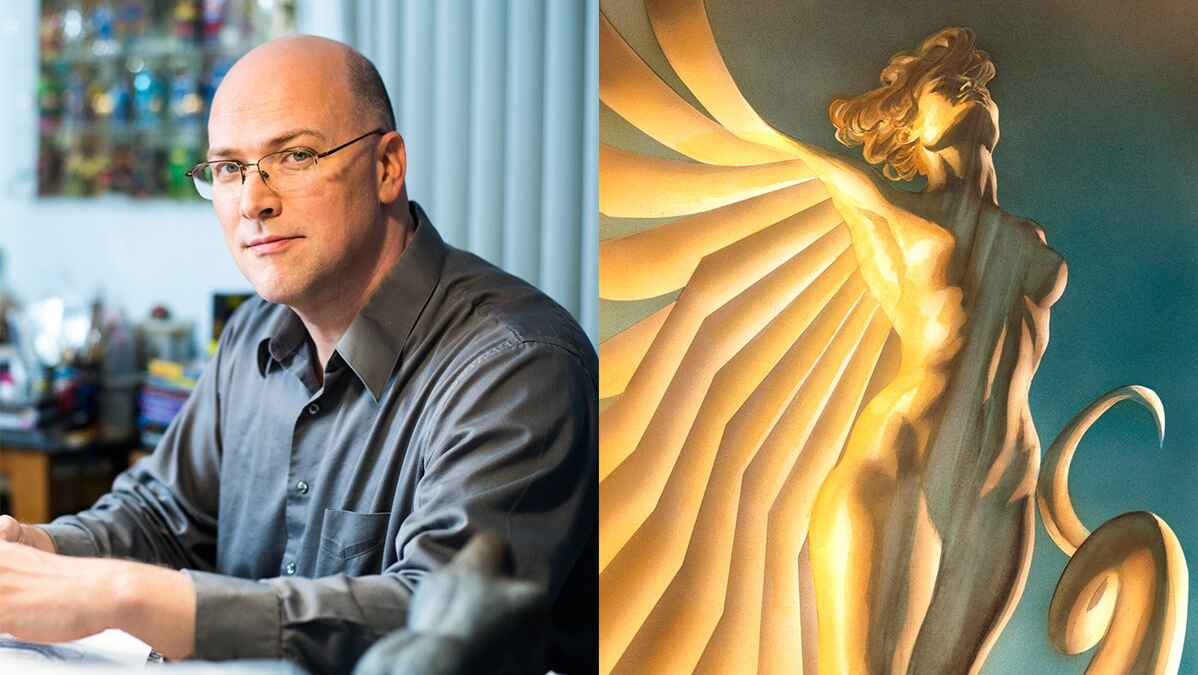
The Lucas Museum of Narrative Art reflects the creative vision of filmmaker George Lucas, best known for creating the Star Wars and Indiana Jones franchises. Rather than focusing on one traditional category of fine art, the museum is dedicated to narrative art and explores how images can tell stories.
That concept gives the building an unusual purpose. Visitors are not simply entering a conventional collection of paintings or sculptures. The museum brings together different forms of visual storytelling, creating a connection between traditional art, illustration, cinema, and popular culture.
A Building Designed to Make an Impression
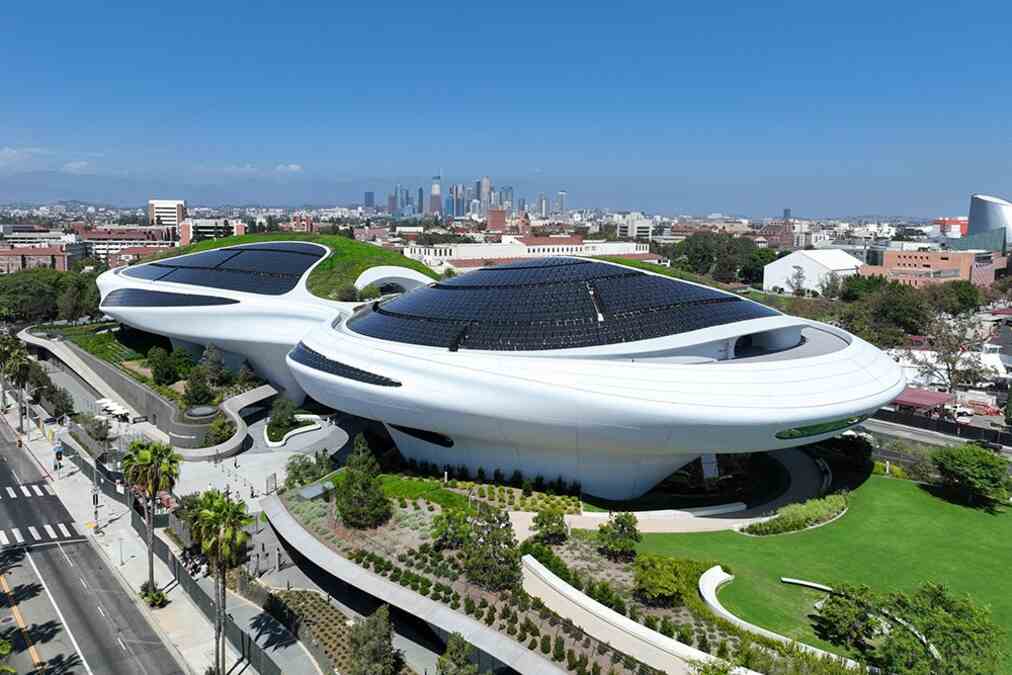
One of the biggest reasons the Lucas Museum has attracted attention is its architecture. The building has a futuristic, sculptural appearance that immediately separates it from many traditional museum structures.
Its sweeping exterior and large-scale design give the museum a strong visual identity. The building itself becomes part of the visitor experience rather than simply serving as a container for exhibitions.
This is an increasingly important idea in modern museum design. Major cultural institutions often want their buildings to become destinations in their own right, attracting visitors even before they enter the galleries.
How It Compares With LACMA’s New Exhibition Hall
LACMA’s David Geffen Exhibition Hall represents another major transformation for Los Angeles. The new exhibition space is part of the museum’s broader effort to create a modern campus and improve the way visitors experience its collections and exhibitions.
Compared with the Lucas Museum, however, the two buildings communicate very different architectural ideas. The Lucas Museum has a more futuristic and dramatic presence, while LACMA’s project is connected to the institution’s larger campus and long history.
The comparison is not necessarily about which museum is better. Instead, it demonstrates two different ideas about what a major cultural building can accomplish.
Architecture as Part of the Experience
Modern museums are increasingly using architecture as part of their storytelling. A museum building can influence how visitors feel before they see a single artwork.
The Lucas Museum takes this idea particularly seriously. Its design creates a sense of movement and discovery, reinforcing the museum’s focus on narrative and imagination.
The building’s scale also reflects the ambition of the project. It presents itself as a major cultural destination rather than a quiet gallery space.
Los Angeles’ Growing Cultural Identity
The competition and comparison between major museum projects are also a sign of Los Angeles’ growing cultural importance.
The city has traditionally been identified with Hollywood, film, television, and entertainment. Today, however, Los Angeles is also becoming increasingly important as a destination for art, architecture, design, and cultural tourism.
Projects such as the Lucas Museum and LACMA’s new exhibition spaces contribute to that transformation. They provide visitors with reasons to explore Los Angeles beyond its traditional entertainment attractions.
Why the Lucas Museum Stands Out
The Lucas Museum’s strongest advantage may be its ability to connect different creative worlds. Its subject matter naturally brings together art and entertainment, making it particularly relevant to a city built around visual storytelling.
Its architecture reinforces that identity. Rather than disappearing into the surrounding environment, the building makes a statement and creates a recognizable landmark.
Final Thoughts
George Lucas’ museum and LACMA’s new David Geffen Exhibition Hall represent two important chapters in the development of Los Angeles’ cultural landscape.
While LACMA continues to build on its long history as one of the city’s major art institutions, the Lucas Museum introduces a newer vision centered on narrative, imagination, and visual storytelling. The museum’s ambitious architecture has made it one of the city’s most talked-about cultural buildings.
Together, the two projects show how Los Angeles is expanding its identity beyond Hollywood and becoming an even more significant destination for art, architecture, and culture.