CBS is taking its long-running true-crime franchise 48 Hours further into the digital world with a new video podcast series, expanding the brand beyond traditional television and audio.
The move reflects the growing popularity of video podcasts, particularly on platforms such as YouTube, where audiences increasingly watch rather than simply listen to podcast programming.
‘48 Hours’ Expands Its Digital Presence
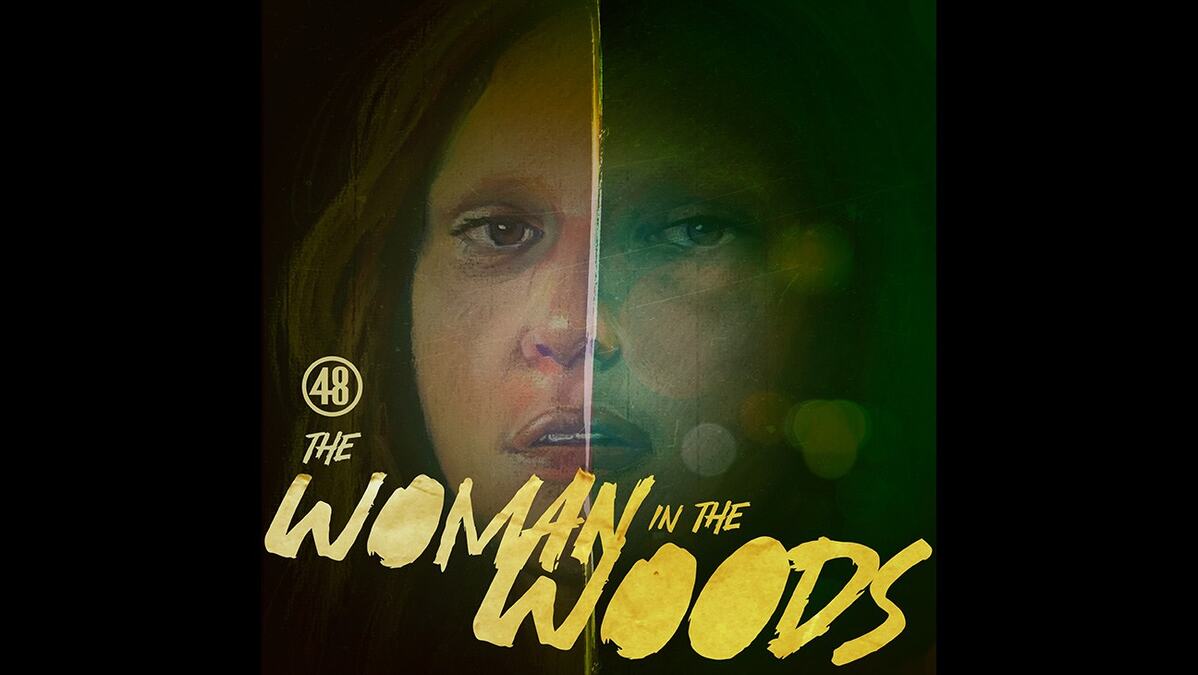
The new project, titled 48 Hours: The Woman in the Woods, is scheduled to launch September 16, 2026. The six-episode series will be hosted by longtime 48 Hours correspondent Erin Moriarty.
The series will be released across podcast platforms, while video versions will be published on the 48 Hours YouTube channel alongside the audio episodes. This gives viewers the option to follow the story in either traditional podcast form or through a more visual presentation.
For 48 Hours, the move represents another step in expanding one of CBS News’ most recognizable true-crime brands into new forms of digital storytelling.
A True-Crime Story With New Material
The Woman in the Woods focuses on the unusual case involving Mindi and Nick Kassotis. The story centers on a mystery that became increasingly complicated after friends and family were told that the couple had died suddenly.
The investigation took a dramatic turn when the body of a woman was discovered in a swamp outside Savannah, Georgia. The case raised questions about Mindi’s reported death and the circumstances surrounding the couple.
The video podcast will use material that goes beyond a traditional audio format. Episodes are expected to include previously unseen interview footage from the original television broadcast, along with photographs, B-roll footage and animated text.
That combination allows the series to preserve the investigative storytelling associated with 48 Hours while giving audiences a more visual way to experience the reporting.
Erin Moriarty Leads the New Series
Erin Moriarty is a familiar face to 48 Hours viewers and has extensive experience covering complicated criminal investigations.
She has also hosted the 48 Hours podcast My Life of Crime, making the new video project a natural extension of her work with the franchise.
Her involvement gives the series a reporting style that combines interviews, investigative details and narrative storytelling. Rather than simply repackaging a television episode, the new podcast format gives Moriarty and the production team additional space to explore the case.
New episodes are expected to arrive weekly, giving audiences an opportunity to follow the investigation as the six-part story develops.
Why Video Podcasts Are Becoming More Important
The expansion of 48 Hours into video podcasting comes at a time when the podcast industry is changing rapidly.
For years, podcasts were primarily associated with audio. Listeners could download episodes and consume them while driving, exercising or doing other activities.
Video has changed that model.
Platforms such as YouTube have become major destinations for podcast audiences, while streaming companies have increasingly invested in video podcast programming. The format allows creators and media companies to reach audiences who prefer watching conversations, interviews and documentaries rather than listening to audio alone.
CBS has already experimented with this approach through 48 Hours: Post Mortem, a companion program that provides additional discussion and behind-the-scenes insight into the television franchise.
The company has also continued developing 48 Hours content across podcast platforms, building on the strong audience interest surrounding its true-crime programming.
From Television Franchise to Multimedia Brand
The latest move shows how CBS is treating 48 Hours as more than a weekly television program.
The franchise has increasingly been used to create podcasts, companion programs and digital extensions that allow stories to reach audiences in different ways.
This strategy is particularly useful for true crime because viewers often want more information after watching a television episode. A broadcast may introduce a case in a limited amount of time, while a podcast can provide additional interviews, background information and investigative context.
Video adds another layer by allowing producers to bring back photographs, interview footage and other visual elements that would not be available through audio alone.
The result is a format that sits somewhere between a traditional podcast and a documentary series.
YouTube Becomes a Key Part of the Strategy
The decision to release video episodes on the 48 Hours YouTube channel is also significant.
YouTube has become one of the biggest platforms for podcast discovery and consumption, allowing traditional media companies to reach audiences that may not regularly watch scheduled television.
For CBS, publishing 48 Hours content on YouTube creates another opportunity to introduce the franchise to younger and digitally focused viewers.
It also allows audiences to watch episodes on demand instead of waiting for a specific television broadcast.
That flexibility could become increasingly important as viewers move between television, streaming services, social media and online video platforms.
What the New Format Means for ‘48 Hours’
The new series could help CBS strengthen the connection between its television journalism and digital audience.
Rather than treating podcasts as a separate product, the network can use them to expand stories that already have an established audience. The video format then makes it possible to bring elements of television production into the podcast environment.
For 48 Hours, that approach could create opportunities for deeper storytelling while keeping the franchise recognizable to longtime viewers.
It also demonstrates how established television brands are adapting to changing audience habits. As consumers increasingly decide when, where and how they watch content, networks are looking for ways to make their programming available across multiple formats.
A New Chapter for a Familiar True-Crime Brand
48 Hours has built its reputation around investigative journalism, real criminal cases and detailed storytelling. Its move into another generation of video podcasting shows how that formula can evolve without abandoning its core identity.
The Woman in the Woods combines the traditional investigative approach of 48 Hours with the flexibility of podcasting and the visual appeal of online video.
The six-part series will give audiences another way to experience the franchise while allowing CBS to explore how far its true-crime storytelling can travel beyond the television screen.
As video podcasting continues to grow, 48 Hours is positioning itself for an audience that increasingly expects its favorite stories to be available wherever and whenever they choose to watch.